Links go to search results. Availability varies by region.
Find a Specific Chapter
14 chapters total
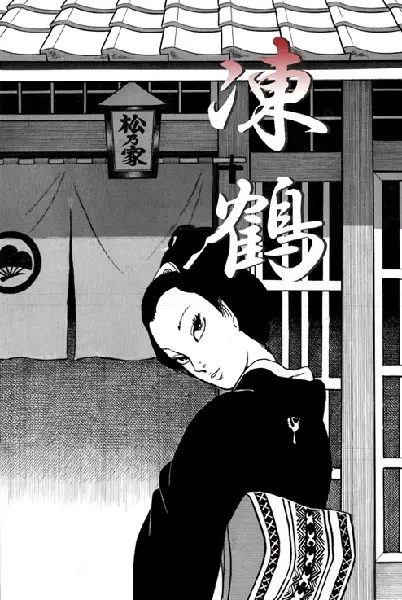
Itezuru
凍鶴
7.35(0K votes)
Ranked #4938Popularity #18992
chapters
14
volumes
1
Status
Finished
Published
Dec 10, 1974 to Jan 25, 1980
Authors:Kamimura, Kazuo
Drama
Worth Reading? — Global Verdict
8.0/10
Average Review Score
100%
Recommend It
3
Reviews Worldwide
International Reviews
PeduAugusto
Recommended
7
This manga has been published in the Big Comic with 16 chapters, but when it went to the tanko, it was published without the eighth and thirteenth chapters. And all Japanese manga republishings went that way. For no apparent reason or explanation. Later an Italian publisher (J-PoP) published it complete, obtaining authorization from the family of the author and the original publisher, but neither had the two missing chapters, so J-PoP looked for old Big Comic's to be able to scan the chapters that they lacked and could publish complete. This manga has 16 chapters, although it is impossible to read them in Portuguese or English, onlyin Italian for the edition of J-PoP or the old editions of Big Comic
Follow the steps of an apprentice geisha discovering a world of elegance.
936 Members
7
The soft sound of shamisen, the tinkling of glass and the echo of a laugh. In the world of flowers and willows, ladies of the evening are busy distracting their guests and a young girl is standing outside on one leg to warm herself up, as if a sorrowful crane indulging them ofher presence ; this is the tale of O-tsuru : the geisha apprentice.
“Even if you have been sold, you should never sell your body nor you heart…When you realize it, it is already too late”
Sold as a child for 30 yen, Itezuru recounts the life of Otsuru as a shikomiko up until her adulthood when she becomes a professional geisha. Shikomiko are typically charged to do the laundry, cleaning, do the shopping, making food and, at night, assist her elder sisters by holding their shamisen and bringing them a change of clothes. To become a geisha also means to become an artist, dancing the mikuzushi, singing, playing the shamisen, writing poetry, making flower arrangement : elegance and refinement is the crux of a proper geisha.
Itezuru chapters acts as small vignettes where O-tsuru learns the different sides of her job around her and the different members of the Okiya. Having a childish and earnest personality, she is also unwillingly forced to gain a certain maturity, she offers a pleasant contrast to the cruel world she faced in. In this world of constant submission, she has to grow from her interactions and her different relations ; having to bear with the death of her fellow shikomiko that couldn’t stand abuse and being separated from their family, falling in love with the charming and passionate rakugo player, getting close to the Mizuten (also called “pillow geisha”, a class scorned for selling sex indiscriminately) in which she finds an aspiration and a mentor. Each of these serves to contribute to the maturation of this sweet little girl into a distinguished artist.
“If nature gave me a beautiful face, if I had worn beautiful kimonos, and if for that reason people turned back on the streets for me, I wouldn’t have minded. What was bothering was that only my poverty made me stood apart. What can you do to live a life without getting noticed ?”
Itezuru is also set right in the midst of the Mukden incident, even though war acts more as a backdrop to the story, some chapters works very nicely in portraying loss and grief of soldiers which counterbalances the anguish of O-tsuru from being separated from her brothers and sisters. It can also be observed through cultural elements like Hachiko or the beginning of westernization with the shift from the traditional shamisen to the guitar.
The later part focuses on O-tsuru as an adult. Gentle and seductress, as a full-fledged geisha, she has to go through losing her virginity with her protector and become the most famous geisha of her okiya. She also has an appointed shikomiko charged to help her to which she becomes a new but cold mother figure. Most of her excitment from her youth has disappeared and instead regrets her overall lack of liberty like not being able to start a family. With her particular status, this second part portrays her paradoxal longing for love and human contact. Still fragmented in vignettes, it is this time focused on different “conquests” and short love stories.
Although ending abruptly and lacking a proper conclusion, Itezuru offers a comprehensive depiction of this particular social period and acts as a nice gateway into Kamimura works.
4 found helpfulDec 11, 2019
Doctorfeddy
Recommended
10
The story of this thirteen-year-old girl who is sold for a sack of rice to an elderly Geisha, owner of a Geisha and Danna or clients of a very high social class, to make her work as a servant for the now professional Geishas, the girl they are taught to play the "Shamisen" which is a musical instrument similar to the guitar but with a very long shaft and is played with a plectrum made of ivory. The story of the little girl takes place simultaneously with the history of Japan in the "Showa" era (from 1926 to 1989) with very important historical facts suchas the Mukden incident or nationalistic and military propaganda. Tsuru will suffer a rape and so the mistress will decide to initiate her into a mature Geisha, therefore there will be a leap of five years, where we see Tsuru having become an adult and a professional Geisha and there we begin to get to know Tsuru's character in depth. A very complex manga that shows off all the beauty, the elegance of the Kazuo Kamimura line, a very important figure in the world of Gekiga manga. The thing that strikes a lot about this manga is also the bloody scenes are elegant and delicate, a story that focuses not only on the world of geishas but also on women in general. This manga blows me away because every word I spend will never be enough to describe this masterpiece. The history of its publication is very curious, I will certainly reread this manga because by rereading it you can discover new things. I give 10 to the story and 10 to the drawing.