Links go to search results. Availability varies by region.
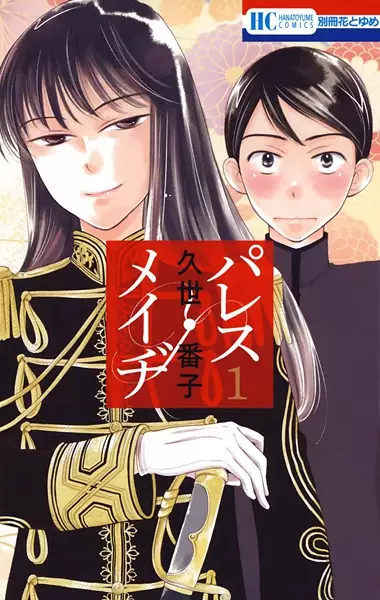
ăăŹăčă»ăĄă€ă
28
7
Finished
Jan 20, 2012 to Apr 26, 2017
7.5/10
Average Review Score
100%
Recommend It
2
Reviews Worldwide
I'm very surprised that no one has reviewed such a good manga yet, so I feel I need to do it justice by logging in and write one. I'll try to write this review without spoiling too much. I have to say I'm lucky to get a hold of the complete raw files and able to read Japanese so I got to complete the series. Scantlations, however, are available up to half of vol.4 so far. Story: 8 Set in alternative Meiji-era Japan (with emperor "Meidi" instead of "Meiji" in this manga). The story starts off with a boy, from a noble family but in dire financialsituation. So he decides to work as a chamberlain apprentice, leading him to meet with the female emperor. It explores court rules and westernizing Japan, but not as much as the story between the two characters and the boy's growth over years. Interesting and original story but not as strong as character, so I'll give it 8 for now. Art: 7 Pretty good art and much better than most Shojo. You can tell characters' faces apart even though they mostly have same hairstyle. The details of Japanese pattern thing is also very delicate. Character: 9 This is the strongest point of this story. There will be huge character development in most characters. The male protagonist is portrayed from being a boy to a young man. You will see a lot of his development in character. He's very sincere, kind and not stupid at all. As for "the female emperor", I was doubtful of this concept of a female emperor initially - having read Oku and found it not as interesting as it should. I didn't have much expectation for this manga (it's a Hanayome series after all). But this female emperor is in fact a very charming character as well. She is graceful, cool while having a relatable and childlike side to her as well. Even side characters, such as the protagonist's maid has a very interesting back story. They all have their histories and developments. ENJOYMENT: 10 I really love this manga. Would definitely recommend it. Overall: 8
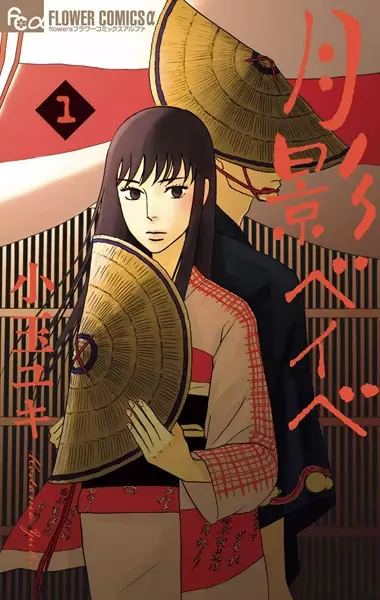
In an alternate-universe Meiji era Japan, Misono Kimiyori, a fourteen-year-old boy from an impoverished noble family, begins to work in the Palace to alleviate his family's debts. There, he encounters the Girl Emperor, Akiko. This meeting is the start of an interesting new relationship.
Story: 8 Palace Meidi is split into 3 major sections: youthful innocence/learning, adolescent complacency, and young adulthood maturation. The split is done cohesively to showcase the shift in the main characterâs physical and emotional growth. Pacing wise, the first two sections take up the majority of the text, leaving the last section feeling a bit rushed. If you came to this thinking that youâd satisfy your craving for displays of romantic affection, this may not be the story for you. Having a story with an impossible love does make the few romantic moments more earned and emotional, however, it will leave some wanting more from themain pair as the last section closes. Dramatic tension between romantic rivals (the male rival in most cases) and general childish naivety about love play a major role in inhibiting their romantic progression. Though some more impatient readers may feel that these inhibitors overstay their welcome, they are kept to a reasonable amount without becoming cartoonish or overly clichĂ©. Overall the story is reasonably well paced and structured, the plot is heartwarming, but not especially noteworthy, and the drama is kept to a reasonable amount. Art: 7 The art style prioritises the immediate surroundings, doing away with unnecessary background details. Some might call this lazy, but I view it as a stylistic choice. This minimalistic approach to the art allows the background art that is there to visibly attract more attention. It is often well detailed, especially the drawings of animals, patterns on clothing or in world art, or trees. Overall the art isnât a standout quality of Palace Meidi, but it certainly adds nuance to a reading experience. Characters: 8 The three most important characters are the main protagonist, the female Emperor and the main male love rival. They are all given a fair amount of characterisation, enough to showcase them as fully fleshed out people. Character motivations are all clearly defined and the logic they follow is consistent throughout, aside from the male love rival near the end. From the moment he is introduced, the male love rivalâs only purpose is to inhibit the romantic progression of the main couple, this limits the believability of his supposed hidden affection towards the main character that is exposited near the end of the story. Overall the characters are diverse enough to avoid confusion both in personality and design, the main cast are fleshed out and given well defined character motivations that are followed consistently, and the protagonist goes through visible and meaningful character growth both mentally and physically. Personal Enjoyment: 7 I read this for the hope of more overt displays of romance, but I was disappointed. One thing I especially hated was the constant âI didnât know it at the time butâŠâ exposition that foretells events. I always prefer foreshadowing to come visually or through dialogue instead of the narratorâs exposition. Despite that, I still enjoyed the story overall, but my shipping trash self wished there couldâve been more romantic moments. I won't be rereading this series any time in the future. Because of all that, I donât think I would go out of my way to recommend this series to fellow romance manga fans. Also, if you read this review before reading the story, be sure to take note of the trees. I loved the stylised vibe of them. Overall Grade: 7.5/10