Back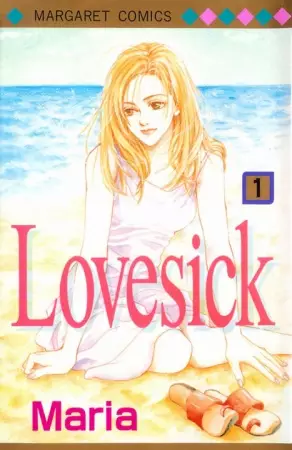
Where to Read
Links go to search results. Availability varies by region.
Find a Specific Chapter
8 chapters total
Lovesick
7.16(1K votes)
Ranked #7367Popularity #11749chapters
8
volumes
2
Status
Finished
Published
2000 to ?
Authors:Maria
DramaRomance
Worth Reading? — Global Verdict
8.5/10
Average Review Score
100%
Recommend It
2
Reviews Worldwide
International Reviews
Pyapi
Recommended
9
Lovesick seemed to be a good, short, read for my boredom. I gave it a try just because I didn't have anything else to do, otherwise I probably would have never read this. I'm glad I picked it up! Story: (8) The story's rather simple and one that has been over-used in fiction. Despite that, it had a nice feeling to it all. The aura was mostly a bit angsty thanks to the whole "forbidden love" the manga strives for, but it shows many nice touching moments where the character's forget their love problems and just enjoy themselves. Art: (9) Faces were a bit awkward to me atfirst, but that was mainly because I'm not used to the style of this series. With time, though, I gradually became used to it and could enjoy the manga the most. There were a lot of eye panels, depicting the main character's feelings and such. At first I found it annoying, but it also gently grew onto me. Now I find it to be more of an emotional affect than anything else. The hair at first seemed sketchy too, but was actually quite beautiful in a lot of panels. The art in the panels and covers was very simple and clean and gave a nice touch to the manga, in my opinion. Character: (9) Because of how short it is, not much development is given to the supporting characters, if an at all. The main characters were given a little more development, thankfully, and it was rather nice for such a short story. Perhaps it's because I'm also currently having a strong crush on a person that's not interested in me that I could relate to the characters so much, but I still think that for others they can at least be a little bit relatable. Enoyment: (9) I really enjoyed the series. Lovesick handles a very stereotypical story in a nice and cool way. You almost feel as if you're just gliding through the characters' lives while observing their developing relationships. Overall: (9) This is a short series, with an over-used story, but a very nice read for when you're bored and having to do. The story is handled in a nice way, and the characters are at least a tad bit relatable. The nice, but simple, art adds on to the feeling of a tranquil slice-of-life manga. Short, simple, and sweet.