Links go to search results. Availability varies by region.
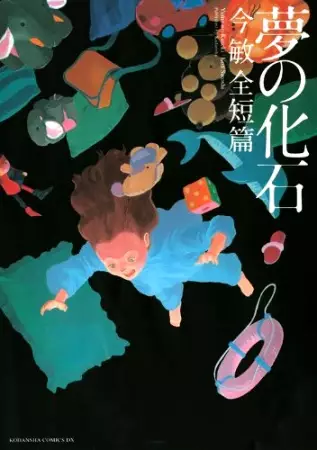
夢の化石 今敏全短篇
16
1
Finished
2011
7.5/10
Average Review Score
100%
Recommend It
2
Reviews Worldwide
Dream Fossil is a collection of various short stories written by the late Satoshi Kon and whether you will enjoy this manga will largely come down to one question: Are you a fan of Kons other works? If your answer is yes, then pick this up right away. Dream Fossil offers an unique look into the career of one of the greatest directors anime has seen to this day, and although not all stories are equally fascinating most are very entertaining. If you pay close attention you will notice that some stories are very similar to some of Kons movies - Beyond the sun feels alot like the later half of Roujin Z and Joyful Bell shares similarities with Tokyo Godfathers, among others. The stories that stood out the most were Beyond the sun, a hilarious yet thoughtful story about an old lady’s trip to the sea, Baseball Brats, a simple story about an encounter between to young Boys and Joyful Bell. The latter is a heart warming tale of a young man trying to find the mother of a runaway girl on Christmas Eve. It is very noticeable that this manga was made shortly after Kons entrance in the manga industry and thus sometimes lacks a certain touch but the detailed artwork and surprising twists make more than up for this. There is an interesting interview with the musician Susumu Hirasawa, photos of some items Kon was fond of and a very touching poem by Kons editorial department in the back that I found very insightful. If you are searching for something to read until the still uncertain release of Kons final movie, The Dreaming Machine, you should check out Dream Fossil.
Dream Fossil is a collection of 15 short manga stories by the late Satoshi Kon. These short stories, serialized in a variety of magazines and collections in the 1980s, give a rare glimpse into the early stages of Kon's uniquely compelling style of storytelling. The buds of dream-like themes and imaginative worldviews that would blossom in his later animated works are also readily apparent. Yet the flights of fancy are anchored by knowing, empathetic portrayals of the very human characters at the center of each story. 1. Carve 2. Horseplay 3. Baseball Brats 4. Summer of Anxiety 5. Focus 6. Day has Dawned 7. Kidnappers 8. Guests 9. Waira 10. Picnic 11. Beyond the Sun 12. Joyful Bell 13. The Desert Dolphin 14. The Adventures of Master Basho 15-16. Toriko - Prisoner
Dream Fossil is easily the most inconsistent manga collection I've read: in terms of quality, of tone, of subject matters, etc... And I think that's what makes this collection so good. You're witnessing first-hand an artist trying to discover his style, going from genre to genre, messing up a bit at the beginning, getting better and finally truly finding his voice. Even though some of the stories' quality vary wildly, it's captivating to read the origins of such an iconic artist. The first few stories are, let's be honest, pretty bad. They're either cliche, underdevelopped or just all-around dull, with the two baseball stories being myleast favorite. However, I'd still suggest still reading the bad stories as they show Kon's rapid evolution. The rest of the collection is however mostly great. "Toriko" is a fun little dystopian story that, without spoiling anything, smartly explores one of Kon's most recurring themes. "Kidnappers" and "Beyond the Sun" are hilarious short stories that rely on increasingly far-fetched coincidences, not too dissimilar to Kon's Tokyo Godfathers. Talking of that movie, Joyful Bell was a clear inspiration for Tokyo Godfathers, being a heartwarming christmas story. But my personal highlight has got to be Waira, a gorgeously atmospheric tale about warring samurai clans getting picked off one by one by a mysterious force. If Millennium Actress somehow didn't convince you Satoshi Kon was a Kurosawa fan, this one will! As for the art, aside from "Guests" and the aforementioned drop-dead gorgeous "Waira", the art is mostly nothing special: it's nice to look at and expressive, not bad at all, but it doesn't really do anything special to distinguish itself from its contemporaries. The stories can also be somewhat hard to follow, with character designs that are too similar or panels that feel somewhat disconnected (a problem I've had with Kon's other manga) Despite these flaws and some of the bad stories, this is a captivating must-read for anybody interested in Satoshi Kon's works.