Links go to search results. Availability varies by region.
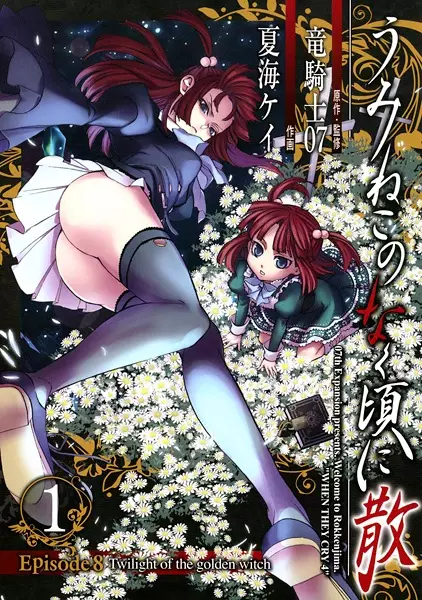
うみねこのなく頃に散 - Episode 8: Twilight of the Golden Witch
42
9
Finished
Jan 21, 2012 to Jun 22, 2015
9.4/10
Average Review Score
93%
Recommend It
14
Reviews Worldwide
"...a story should be like a roller coaster. That is to say before writing a really cruel scene, I have to lift the people's spirits, for example, with a fun scene... Before writing a scene of pure despair, we must go through scenes of hope. And indeed, when I write, all of this amuses me very much." - Sadist07 _____________________________________________________________________________ Story: 10/10 A witch is born when human reasoning is incapable of explaining a mystery. A witch is born out of the need for escape. The previous episodes explained that the difference between reality and fantasy might only be paper-thin, at the same time only ever giving part of an increasinglybleak truth. In the same way, Ryukishi07 never ceases to toy with the reader - exploiting the desire for a fantasy, making them see something which isn't really there. Similar to Higurashi, only after reaching the ending does it become possible to appreciate the scale and intricacy of his work. At first glance, it seems that each episode of Umineko is 90% fiction and 10% fact, like a jigsaw puzzle where many of the tiles don't fit anywhere. Or, it could also be compared to an onion, because I have no idea how he managed to include so many LAYERS BUT I'M CRYING ANYWAY. Regardless, as fragments of 1986 are finally pieced together, it seems inevitable that the completed jigsaw is painted with a tragedy. At first, each character's story throughout the series appears to relay a certain message: love is a source of madness which distorts the truth. Though somebody might want to live in a magical fantasy forever... eventually, it's time to grow up. It's a cold reality which is incompatible with the idea of a golden witch who you can blame all your problems on. That's what this episode is really about - growing up without losing your magic. More than hunting down the truth in the previous episodes, this one confronts the need to overcome and accept the truth, instead of escaping to a blissful golden land when, really, you just died in a rather ugly way. Beyond probability and fantasy, beyond delusions and forgeries, this episode remains a search for a golden land which shouldn't, by all logic and reasoning, be allowed to exist. The last game isn't just a sibling dispute between Ange and Battler - it's a war between 1986 and 1998. And it's thrilling. _____________________________________________________________________________ Art: 8/10 Coming fresh out of the other episodes, the difference in art style can be a little jarring... but if you're binging then you might not notice, considering that some earlier episodes had the same artist. Character designs are still on-point (i.e. seriously adorable, the hell is this), backgrounds are comfortable as usual (i.e. so much class), and the highlight of this episode is probably one of the most satisfying punches ever thrown. It's the grand finale. It's the return of cats and crazy frog eyes. The art is as cutesy as it is psychotic, but I wouldn't have it any other way. _____________________________________________________________________________ Characters: 10/10 The hallmark of a strong cast is the potential for a thirty-page essay to be written about the characters alone. Nobody would read it if I wrote one, though. In this episode, the spotlight returns to our favourite shredded meat girl. There's a comparison to a child soldier who marches in single-minded pursuit of an obsession, eventually left with nothing but themselves - well, that sums up Ange nicely. Her story reveals the dangers of a fixation with only cold, callous logic. Throughout the series, finding the truth of 1986 has meant rejecting all the fictitious fragments from the previous episodes. However, rather than rejection, this episode is a reconciliation between the witch of the future and the girl trapped in the past - and it's all tied to the idea that whatever lies on the jigsaw tiles isn't the whole truth. It's absolutely the truth, but there isn't just one truth. Don't understand? Ange doesn't either. That's where all the other characters come in, and how all of their arcs link together to present the truth that she needs, not just the one that she wants. At the end of the day, Umineko really isn't 90% fiction and 10% truth - in a sense, everything is real. An emotion which is never conveyed can be truth, whatever the reality may be... and with that realization, the second central message hidden in each character's arc finally begins to make sense: "Without love, [the truth] cannot be seen." _____________________________________________________________________________ Enjoyment: 10/10 Honestly, Umineko is a must-read for anybody who wants to spend their time thinking for far too long. Eva, Maria, Shannon; though their stories seem to be unrelated at first, by the end it's clear that they were wrapped in layers of o̶n̶i̶o̶n̶ allegory. Unlike this review, many of these ideas are actually digestible. For instance, the idea that it takes two to complete a universe - it's like the concept of a catbox and an observer. A story can't be completed if the writer is the only observer; somebody whose work is never seen isn't an author. To create a story, you only need a writer. To complete it, you need somebody else to act as a reader. Otherwise, who knows whether or not the story actually exists? Like Schrodinger's cat, the truth only exists within your catbox, not outside of it. In many ways, this is the story of reconciling cold, inflexible determinism with the theory of basic human values. Or well - reality and fantasy. A single, unchanging truth exists in reality - one which no delusion can change. The past, the present, and the future. No matter how many times you try to turn back the hourglass, unless some magic exists which can interfere with the setting, people wander inexorably towards a predetermined fate. From a metaphysical standpoint, in a universe of determinism, every action, every crossroads, every whim - all are just calculations, and chain reactions proceeding towards that single truth. And with that realization, truth - once humanity's greatest ally - seemingly becomes the archenemy. It's a view incompatible with magic. A truth which kills fantasy when it lays the facts bare. Well, I reject your truth and substitute my own! Inside a catbox, there exist multiple, unspoken truths. Similarly, inside every person, there exists love and hate, jealousy and admiration, indifference and disgust, greed and altruism, good and evil. In a deterministic universe, seemingly the only truth that matters is the one we can see. But this story is one which posits that the unspoken truths - the innumerable possibilities we can't see - are just as valuable as that one possibility which was realized. It's beautiful. At the end of the day, that's not to say that a mass-murderer should be forgiven. Rather, it means that the whole truth lies beyond truth and lies, reality and fantasy. A detective who only pursues reality might as well be a historian! Expanding on that idea of duality, this final arc of Umineko ultimately reveals that the entire series was not about a deathmatch between reality and fantasy, truth and lies, or love and hate - it was about reconciliation and acceptance. It takes both truth and lies to approach the whole truth. It takes a detective and a witch to protect a golden land. "Without love, the truth cannot be seen." "Love is a source of madness which paints over the ugly truth." Are these two statements truly incompatible? Given Battler and Beatrice's positions in this episode, along with their actions throughout the series - actually, aren't these two ideas the same thing? That complex symbolism, that dichotomy and contrast and battle between two extremes, is really what makes Umineko so great. It takes two to complete a universe. After all's said and done, isn't that the true central message of this series? There are innumerable stories (at least 8) which can be uncovered through inference and deduction, and though they should never be a replacement for reality, neither should they be ignored. The truth may be ugly, and it may be reprehensible. However, if it isn't shared, then it remains forever locked within the catbox... and the infinite possibilities which arise? They form Umineko.
It's time once again for the annual family gathering on Rokkenjima! Ange Ushiromiya is just getting over a cold, but that won't dampen her excitement at seeing her cousins again! Granddad couldn't be more thrilled to see his beloved grandchildren and throws a special Halloween party where everyone gets lots of treats! By lunchtime on the first day, the aunts and uncles are chatting up a storm, and the cousins are eagerly planning the afternoon's fun. It's the very picture of a happy family-one that in no way resembles the bickering, bitter Ushiromiya clan! What is going on?! (Source: Yen Press)
Umineko is unironically a peak fiction. No, really, it's undoubtedly the best literary work of the detective genre I’ve ever read (not just among manga, but in general), and I very much doubt any other story will surpass it. This is, as you might have already guessed, a review for the Umineko manga as a whole, not just part 8 separately. It is also intended to be without spoilers. Ryukishi07 is a great writer. He also likes to do a little bit of trolling from time to time. These two aspects of him culminate in a work that has greatly written twists and turns. Twists so good,he frequently seems to be able to predict the conclusion reader would make themselves, bait them into it and laughs as the conviction is turned on its head. Reading Umineko feels like playing chess with the gigabrain author, the reader losing not because they haven’t been given a fair chance, but because the author is just so much better at setting the bamboozle. This is the great strength of Umineko – the outcomes are shocking, you’d have to be a next level genius to arrive at the correct solution before its revealed, but the hints are all there. As long as you understand how the mechanics works, you can backtrack the clues and it all adds up. It make a sense, you just weren’t able to see it. And that’s exactly how mysteries should be written, the conclusion not being some bullshit asspull “explained” by the detective’s unfathomable genius. Yes, I’m looking at you BBC Sherlock. Another majorly interesting aspect of Umineko is the meta narrative. To explain too much would be spoilers, but I absolutely love how it takes aspects relating to writing detective fiction and transforms them into actual elements within the detective fiction itself. The art is also well executed, with multiple artists across the parts with fitting tones. The art not only makes for really cool action scenes and really frightening horror imagery, it also lends itself to the narration greatly. What surprises me about Umineko is how it’s living rent free in my head. It’s been almost two years since I’ve finished the manga, yet I still frequently think about the plot. It is complex, but not unbearable so, rather than that being delightful to muse about it. I think that shows the best the quality of the franchise. There are no bad aspects I could think of. A true 10/10. So yeah, absolutely do give this a try. Though my one advice would be to read the fan translation rather than the official Yen Press translation for this one, as the Yen Press unfortunately leave out one very important element throughout the parts.
"Without Love, The Truth Cannot Be Seen" If it wasn't for this, I could never reach till the end. I don't know what is inside in the mind of Ryukishi 07, but he really knows how to distort the minds of readers. He made distinct stories out of when they cry universe but in the end he collides them. But Umineko drifted away my heart, the tragic path of the characters especially the perpetrator who started all of this for the sake of LOVE. I have read heavy titles like Berserk, Punpun, Monster, 20CB, Pluto etc.. but Umineko dug my grave. This VN/Manga isonly enjoyable when you have love for the when they cry universe. There is one more fragment left, Ciconia.
An IMMENSE improvement on the extremely controversial final episode of the original VN, Ryukishi clearly learned from his mistakes and the horrible reception of episode 8 in Japan and crafted an immaculate final act that gives even episode 7 a run for it's money, possibly eclipsing it entirely. The original episode 8 has possibly the least development of the overall mystery and serves as more of a prologue, whereas the manga version has possibly the most development and explicitly dives into the culprit and their motivations. This isn't just a cash-grab ex-post-facto "explanation", some of the most powerful moment in the series are in thisepisode. For those who try and argue that the manga is too explicit, much of this content was written by Ryukishi in the original visual novel YEARS ago in the form of "our confession" which was simply never translated. If you loved the original series and were somewhat let down by episode 8 or just want a deeper look into the narrative then I implore you to read at least read this but episode 7 has welcome additions as well. This is the REAL answer arc.
I like this. It's really good. I have no complaints. As far as the mystery goes, to my knowledge, everything that was introduced was explained with satisfying resolutions. Characters are also perfect. I felt that every action the characters made were within the realm of their personalities. They all felt like real people, at times they could be douche bags, and at other times they could be kind. The resolution of Ange's character arc was a masterclass in good endings. Best manga ever Read this(and the other parts). 20/10 easyBALLS BALLS BALLS BALLSBALLS BALLSBALLS BALLSBALLS BALLSBALLS BALLSBALLS BALLSBALLS BALLSBALLS BALLSBALLS BALLSBALLS BALLSBALLS BALLSBALLS BALLSBALLS BALLSBALLS BALLSBALLS BALLSBALLS BALLSBALLS BALLSBALLS BALLSBALLS BALLSBALLS BALLSBALLS BALLSBALLS BALLSBALLS BALLSBALLS BALLSBALLS BALLSBALLS BALLSBALLS BALLSBALLS BALLSBALLS BALLSBALLS BALLSBALLS BALLSBALLS BALLSBALLS BALLSBALLS BALLSBALLS BALLSBALLS BALLSBALLS BALLSBALLS BALLSBALLS BALLSBALLS BALLSBALLS BALLSBALLS BALLSBALLS BALLSBALLS BALLSBALLS BALLSBALLS BALLSBALLS BALLSBALLS BALLSBALLS BALLSBALLS BALLSBALLS BALLSBALLS BALLSBALLS BALLSBALLS BALLSBALLS BALLSBALLS BALLSBALLS BALLSBALLS BALLSBALLS BALLSBALLS BALLSBALLS BALLSBALLS BALLSBALLS BALLSBALLS BALLSBALLS BALLSBALLS BALLSBALLS BALLSBALLS BALLSBALLS BALLSBALLS BALLSBALLS BALLSBALLS BALLSBALLS BALLSBALLS BALLSBALLS BALLSBALLS BALLSBALLS BALLSBALLS BALLSBALLS BALLSBALLS BALLSBALLS BALLSBALLS BALLSBALLS BALLSBALLS BALLSBALLS BALLSBALLS BALLSBALLS BALLSBALLS BALLSBALLS BALLSBALLS BALLSBALLS BALLSBALLS BALLSBALLS BALLSBALLS BALLSBALLS BALLSBALLS BALLSBALLS BALLSBALLS BALLSBALLS BALLSBALLS BALLSBALLS BALLSBALLS BALLSBALLS BALLSBALLS BALLSBALLS BALLSBALLS BALLSBALLS BALLSBALLS BALLSBALLS BALLSBALLS BALLSBALLS BALLSBALLS BALLSBALLS BALLSBALLS BALLSBALLS BALLSBALLS BALLSBALLS BALLSBALLS BALLSBALLS BALLSBALLS BALLSBALLS BALLSBALLS BALLSBALLS BALLSBALLS BALLSBALLS BALLSBALLS BALLSBALLS BALLSBALLS BALLSBALLS BALLSBALLS BALLSBALLS BALLSBALLS BALLSBALLS BALLSBALLS BALLSBALLS BALLSBALLS BALLSBALLS BALLSBALLS BALLSBALLS BALLSBALLS BALLSBALLS BALLSBALLS BALLSBALLS BALLSBALLS BALLSBALLS BALLSBALLS BALLSBALLS BALLSBALLS BALLSBALLS BALLSBALLS BALLSBALLS BALLSBALLS BALLSBALLS BALLSBALLS BALLSBALLS BALLSBALLS BALLSBALLS BALLSBALLS BALLSBALLS BALLSBALLS BALLSBALLS BALLSBALLS BALLSBALLS BALLSBALLS BALLSBALLS BALLSBALLS BALLSBALLS BALLSBALLS BALLSBALLS BALLSBALLS BALLSBALLS BALLSBALLS BALLSBALLS BALLSBALLS BALLSBALLS BALLSBALLS BALLSBALLS BALLSBALLS BALLSBALLS B