Back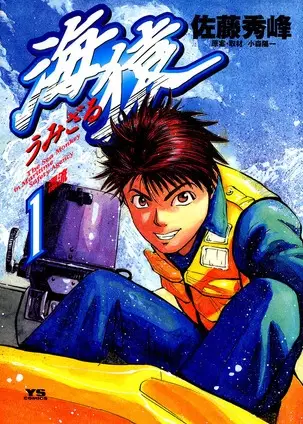
Where to Read
Links go to search results. Availability varies by region.
Find a Specific Chapter
119 chapters total
Umizaru
海猿
Ranked #25104Popularity #32344
chapters
119
volumes
12
Status
Finished
Published
Dec 10, 1998 to Jun 21, 2001
Authors:Sato, Shuho, Komori, Yoichi
Synopsis
Umizaru, the Sea Monkey, is about the Maritime Safety Agency. The main character is Daisuke Senzaki age 19, a newbie navigation officer aboard the Nagare. He has a trauma from the past and hates to over look at lives he could save even if it means risking his own. See what kind of troubles arise and how Daisuke moves from just a navigation officer to an Umizaru! (Source: MU)
359 Members
Worth Reading? — Global Verdict
8.0/10
Average Review Score
100%
Recommend It
1
Reviews Worldwide
International Reviews
Chaf
Recommended
8
In my long career as a reader, I have been interested in many authors and many works. Among these authors with a very raw and uncompromising style in what they want to express, fate brought Shuho Sato and Black Jack ni Yoroshiku into my life. It was a real slap in the face, because I had rarely read works that denounced things so bluntly, that got straight to the point, and that denounced social ills with such conviction. A few years later, Lady Luck smiled on me, because I was able to get my hands on the work that first brought him to the attentionof the most discerning readers. Umizaru (Sea Monkeys) was published in the early days of publishing houses in France. It quickly sank into oblivion because it was not reprinted and is now only available to the most courageous... or those who know it exists. And that's the main reason why I often write reviews on the site: to enlighten and inform the most curious, those who venture far into reading. The story follows the initiatory and professional journey of a carefree but passionate 19-year-old coast guard officer who decides to become a rescue diver. This is a rather rare theme in today's manga. Over the series, the story retraces several stages of his training and draws us into the reality of this highly responsible profession. One of the things that impressed me most about this manga is its realism. Probably thanks to scriptwriter Yoichi Komori, the manga is full of technical details about the equipment, environment, and procedures involved in the job. This is a wise approach, as I felt that, as I read through the volumes, I was learning about the job rather than simply reading a story. Of course, this realism is accompanied by unprecedented intensity. If you've read Black Jack ni Yoroshiku you'll notice similarities in the drawing style. The drawings seek to be authentic rather than pretty. Shuho Sato has a gift for conveying the effort and suffering that these characters endure. His style emphasizes the reality of the field. Indeed, reading this manga often confronts us with tragedies, traumas, and large-scale dramas. Finally, what I appreciate most about Shuho Sato is the message of the manga. The author delivers a sharp critique of the Japanese system as he often does. He denounces the sacrifice of individuals for the benefit of large organizations. This is a recurring theme in his works which he will revisit in other manga. If you want to explore this aspect, I highly recommend checking out “Tokkou no Shima,” one of his other manga, which takes place in a military setting. This manga is for the most curious among you and those who want to discover Shuho Sato. If the abrupt lines of the first volumes and the technicality of the terms used don't put you off, then I think you'll enjoy the journey. The manga is a tribute to those who work in the shadows. It is a harsh, sometimes cruel, but deeply humanistic story.