Back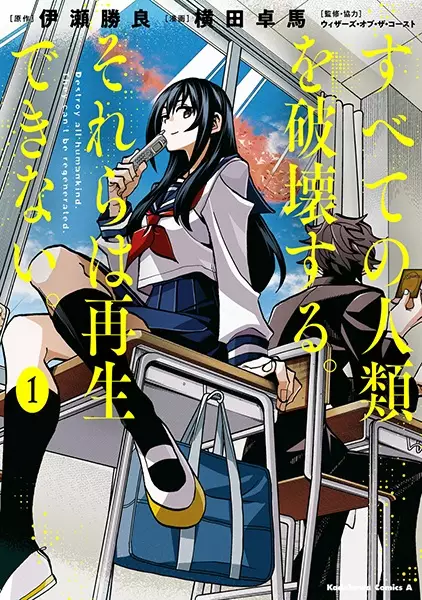
Where to Read
Links go to search results. Availability varies by region.
Find a Specific Chapter
71 chapters total
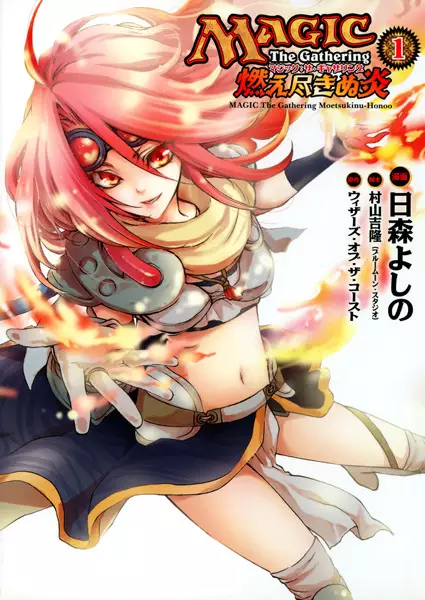
Destroy All Humans. They Can't Be Regenerated.
すべての人類を破壊する。それらは再生できない。
8.08(6K votes)
Ranked #781Popularity #830chapters
71
volumes
18
Status
Finished
Published
Nov 26, 2018 to May 26, 2025
Authors:Yokota, Takuma, Ise, Katsura
Synopsis
Worth Reading? — Global Verdict
8.0/10
Average Review Score
100%
Recommend It
1
Reviews Worldwide
International Reviews
Cynthesia
Recommended
8
Chuunibyou is something which is often understood. Most people correctly identify it as a representation of an imagination gone wild, with the archaic speech patterns and imagined beasts and whatnot. But what I think a lot of people forget is that chuunibyou is not just a product of imagination, but of passion. It’s what happens when you mix a lack of shame in what you like, an imagination not yet tainted by the cruel monotony of reality, and hormones. This manga (whose title is too long for me to bother writing it out) is what I would consider a gold standard at representing chuunibyou andhow it integrates into real life. The catalyst for the chuuni in this case is Magic the Gathering and while prior knowledge for the game would probably benefit you greatly it’s by no means required. Not only are most mechanics explained to enough degree that you can understand the gist of what’s happening, the game itself is really just that, a catalyst. About two thirds of the runtime is spent playing Magic and it acts as a perfect excuse to dive deep into the imaginations of the players. Every game has these amazing full page illustrations of every spell and monster which is cast onto the field. The game overtakes the entire environment around them, as the characters, all using made up monikers like ✞ Cloud ✞ perform all of the chants and rituals required for each card to be cast properly. It makes what’s otherwise an extremely complicated game fast paced and exhilarating. This fast pace translates to the manga itself, it almost never lets its foot off the gas. Despite each chapter being roughly 50 pages long, some even coming close to 100, it really doesn’t feel like it. Mostly it just flies by, only leaving room for the interpersonal drama to really fester. While I appreciate when mangka use their manga as a means of infodumping about their personal interests, I think this was the correct decision. Magic is… dense. Even explaining the base game to someone could take an extremely long time and considering each of the main characters specialize in different deck types on a high competitive level the intricacies would overwhelm the experience of the manga itself. Instead, because of how the actual battles are played out you can generally intuit what’s going on and how certain decks are played simply by how they’re described emotionally moment to moment. Enough games are played out this understanding gradually builds and it makes the end game encounters much more rewarding because of this gradual progression. The relationship between Sawatari and Kanou follows a similar principle. From the first chapters it’s obvious what the relationship is between the two of them and the author isn’t afraid to allow it to grow at a reasonable pace. The two of them have incredible chemistry and their willingness to open up to one another is really refreshing. I really like how chuunibyou was incorporated into their relationship as well. Firstly, it’s the entire basis of it, being that Sawatari believes in a world ending prophecy and she asks Kanou to be with her when it comes. But it also shows up in their entire dynamic. While it’s mostly reserved for whenever they’re playing magic, it often makes its way into their dialogue and while sometimes they’re hit with a heavy dose of instant embarrassment the other person understands what they mean completely. This is the passion aspect of chuunibyou which is often neglected by others. Just as Kanou and Sawatari are passionate about Magic the Gathering, they’re passionate about each other and this kind of total acceptance of who they truly are is refreshing to see. Likewise the supporting cast is a lot of fun as well. While they don’t leave an impression, characters like Yakumo encapsulate what nerd spaces were like in the 90s (or so I assume I wasn’t alive back then). I think it’s fine for the supporting cast to be more or less just a bunch of eccentric clowns because they serve their role well as outcasts who stick together. TGCs opened up spaces for people to reveal their true selves to others, letting them realize that there’s plenty of people who’re just like them. That sense of welcoming community is palpable in how they interact with one another and it transforms the game into more than just a game. It’s a place where passions can run free . I keep going on about chuunibyou but it isn’t all there is to the manga. Whenever they aren’t playing Magic the story settles nicely into something much more grounded. Sawatari and Kanou compete over their grades and worry about dates rather than the gargantuan beasts and spells of their games. Magic always manages to make its way into the conversation in some way shape or form but it’s allowed to take a backseat to a much more natural story. I think this is mostly handled very well and some of the dramatic turns hit quite hard because of how normal they are. There’s a lot of unpredictable variables in one’s life and, especially when you’re a middle schooler as they are, the amount of agency you have is really quite limited. I appreciate how the story approached these twists of fate and for the most part they’re handled in a way which is both mature but realistic. I say for the most part because I have some issues with how things are handled in the back half. Without going into too much detail there are some absurd developments which happen in the span of only a couple chapters merely for the sake of plot development. It completely supersedes the scope of the story up to that point and is so out of place that I was seriously confused as to what I was reading when it happened. To put it simply: it’s the wrong kind of chuunibyou. It breached the containment of Magic and was allowed to interfere with the real world. While on a smaller scale I think the developments could’ve worked, too much happened too fast to work within the framework of what they had. This trend continues all the way into the final act and while the idea for the final act isn’t nearly as out of pocket as what precedes it it still soured my experience. But all in all, this is a really fun read. The author’s love for Magic the Gathering is palpable and he did a phenomenal job bringing it to life and demonstrating what it means to truly love something. The fast pacing keeps things fresh and makes the story feel a lot shorter than it really is (~4000 pages would be 200 chapters of a regular manga) as well as keeping the bad moments from lingering. Kanou and Sawatari have phenomenal chemistry with one another and each of them actually being proactive in advancing the relationship is very refreshing to say the least. I was never really into card games as a kid but that doesn’t really matter, Magic the Gathering is really just a catalyst for something far more beautiful: passion. And if you’ve ever been passionate about anything in your life this manga is for you.