Links go to search results. Availability varies by region.
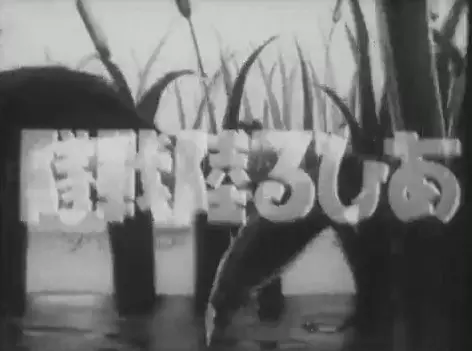
あひる陸戰隊
1
Movie
Finished Airing
1940
Ducks get into a conflict with frogs and start a war.
5.3/10
Average Review Score
67%
Recommend It
3
Reviews Worldwide
STORY: 2/10 -The story, well, what to tell about the story? It is poorly explained and, well, it is very difficult to understand, since it has no voices. ART: 4/10 -I give four for art because it was made in 1940, and compared to other animes of the time, this one is a little beautiful SOUND: 3/10-There are no voices, just some sound effects, like weapons, cannons being thrown, things like that ... and they are quite strange CHARACTER: 1/10 -The characters are ducks and frogs. They are badly drawn and VERY strange haha ENJOYMENT: 2/1O -I gave two because the art is funny, but some parts are really boring 0VERALL: 2/10 -The anime is very old, but in some things it is better than some animes of the time. Note 2, I would not watch again, but okay
I just want to point out that most of the interpretations above are wildly incorrect given that this was released in 1940 - much before the escalation of the Japanese-American conflict in the Pacific theatre. If anything, this was the period when the Japanese were occupying Manchuria and making deep excursions into the Sino mainland. If anything this conflict is representing the Sino-Japanese wars that were the precursor to Japanese alliance with the axis. 1. The frogs begin by bullying the ducks, the frogs live on an island - Japan is considered the Island kingdom while it is China or the Middle Kingdom that was basedon land aka Ducks. 2. The frogs have a naval ship made of steel - a clear reference to rapid Japanese industrialization and powerful naval dependence as opposed to the almost complete land tactics used by the ducks, aka Chinese. 3. The director was known for being an open Socialist. The Chinese socialists were already pushing back against a Japanese incursion at this point and Japanese penetration into the mainland had been paralyzed by the Oil embargo by the Allies (whose colonies were being threatened by Jap navies). 4. The message here was probably one of trying to persuade the Japanese people to realize that they have more in common with the Chinese and embrace Socialism when a much bigger threat was looming - The broader Capitalists "axis" of colonialism that had exploited countries like them for the previous centuries. It is interesting to see how openly anti-war messaging was smuggled into a film sanctioned by the Japanese ministry of Education, essentially a propaganda arm of a heavily militarized state. A very poignant message film that shows that Japanese sentiments weren't quite as monolithic as stereotypes tend to portray the cultural milieu of the time period.
A cute story from the early years of Japanese animation. The story is simple - a group of ducklings and a group of frogs fight over a couple of eels. There is minimal dialogue and the story should be perfectly understandable to those without any Japanese. It would be unfair to compare the standards of art and music to modern animation, but the art is endearing and the music nostalgic. Viewers should note the 1940 release and watch for parallels between the frogs and the ducklings, and Japan's WW2 involvement. The director - Mitsuyo Seo - primarily made propaganda animations, despite being previously arrested andtortured for his leftist ideals. An interesting glimpse into the origins of anime.